A technology business may have a great deal to show and very little time to explain it. The stand needs to help people find a useful starting point.
This guide began in 2024, ahead of MWC 2025. We retain it as a design discussion, rather than a claim to have delivered a particular project at that edition.
Make the first step clear
From the aisle, visitors should be able to understand what the business does and why they might stop. A specific message and a well-presented product can be more useful than several screens competing for attention.
Inside, demonstrations and meetings need different conditions. Someone testing a solution needs time and a clear explanation. Someone discussing a brief needs to hear, think and work.
Three possible starting points
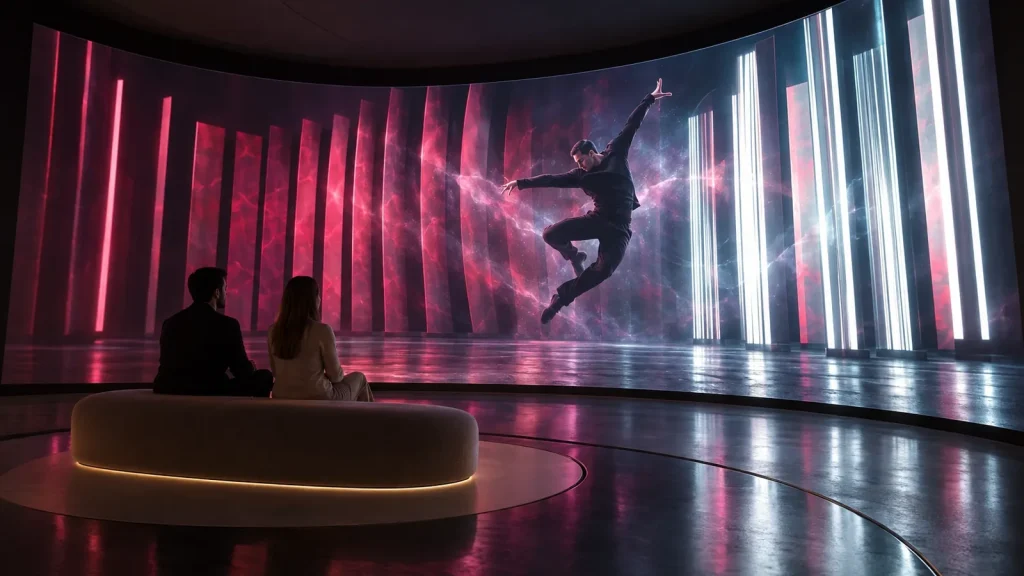
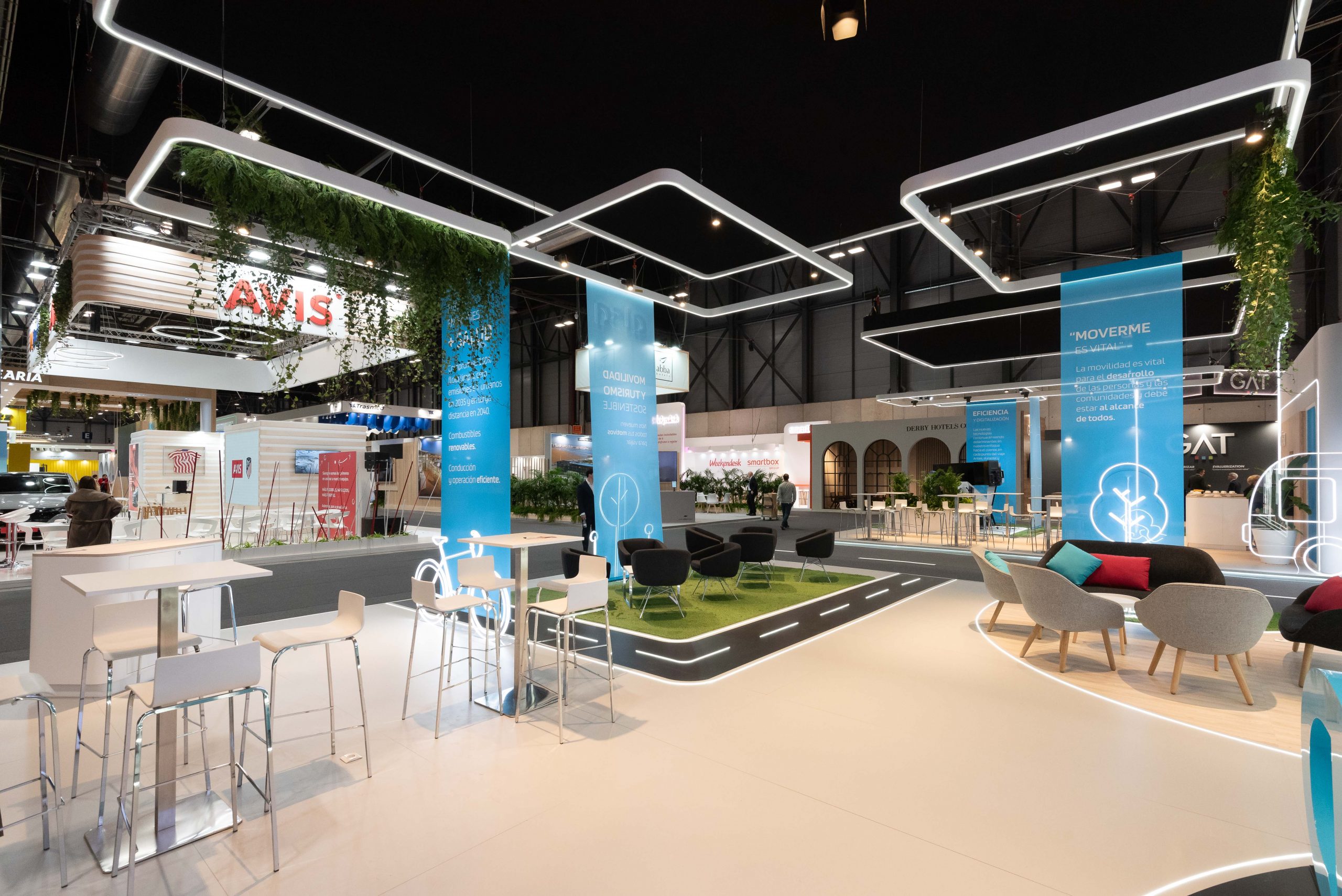
A demonstration area brings the product and its specialists together. A brand-led space gives a wider offer a clear structure. An experience area puts participation at the centre. These are ways to approach a brief, not completed projects presented as case studies.
The programme also needs the less visible essentials: storage, team preparation, connections and maintenance. Architecture and content work better when those requirements are considered early.
Decide what a useful result looks like
Before the show, agree what matters: worthwhile demonstrations, meetings with the right people or a clear next commercial step. The design should make those actions easier while giving the brand a recognisable presence.

Planning your next exhibition? Let’s talk about what the space needs to do.